
Medically reviewed by Kathleen Latouf, DO, MPM
Last medically reviewed: October 2026
Key Takeaways
- Pregnancy changes your veins through hormones, extra blood volume, and added pressure, which is why legs can ache, feel heavy, or swell after delivery.
- Swelling from extra pregnancy fluid is typically normal after birth and should go down within a week.
- Varicose veins that appear during pregnancy usually shrink after delivery, but they may linger, especially after more than one pregnancy.
- Swelling, pain, or redness in one leg needs medical care right away.
- Vista Veins is a woman-owned vein clinic with locations in Wexford, Butler, Monaca, and Erie, PA, and you can request an appointment for a vein evaluation if leg symptoms last beyond early recovery.
How Does Pregnancy Change Your Vein Health?
Your veins work hard during pregnancy. They carry blood back to your heart against gravity, and pregnancy makes that job harder. There are three changes that play a role:
- Hormones such as progesterone relax the walls of your blood vessels.
- Your blood volume increases.
- The growing baby puts extra pressure on the veins in your pelvis and legs.
Together, these changes can make leg veins swell and twist. Varicose veins are especially common in the third trimester. Your risk also rises with family history, extra weight, and a diet high in sodium or low in fiber and water.
Your body does not reset the moment your baby arrives. The postpartum period lasts about six to eight weeks, with some changes lasting longer. Leg symptoms can continue while your body recovers.
What Are the Most Common Postpartum Leg Symptoms?
Many symptoms that appear during pregnancy can carry into the weeks after delivery. The signs of pregnancy-related varicose veins include:
- A heavy, tired, or sore feeling in the legs.
- Itching around the veins.
- Leg cramps.
- Pain, aching, throbbing, or tenderness.
- Swelling in the legs and ankles.
Symptoms often feel worse after you sit or stand for a long time. That is easy to do with a newborn.
Postpartum Leg Swelling
Some swelling is a normal part of recovery. It is related to the extra fluid that builds during pregnancy, and it should go down within a week. Swollen legs post-pregnancy that do not improve deserve a closer look.
Weak leg veins can keep swelling going long after that first week. Vein-related swelling tends to build as the day goes on and ease when you put your feet up, a pattern described on the Vista Veins leg swelling page.
Leg Pain After Giving Birth
Aching, throbbing, or sore legs can come from tired veins. We recommend contacting your provider about pain in your legs or ankles, especially when swelling comes with it. Pain with swelling in just one leg is different, and it is covered in the warning signs section below.
Postpartum Varicose Veins
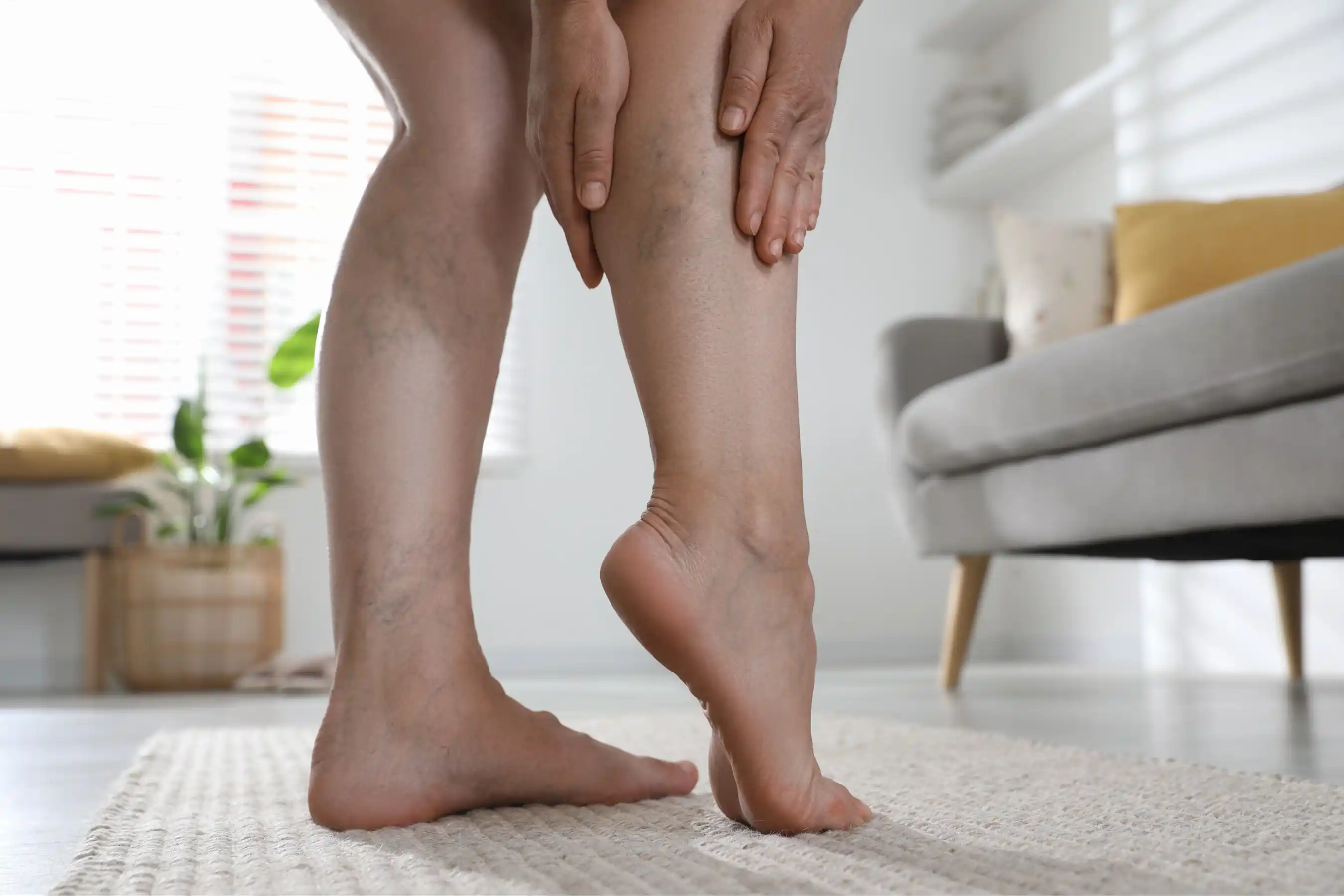
Pregnancy varicose veins usually shrink after your baby is born. If you have more than one child, they may get worse with each pregnancy or be less likely to go away. Spider veins can also appear alongside varicose veins. If postpartum varicose veins stay, a provider can talk with you about treatment options.
Normal Recovery or Lingering Symptoms?
| What You Notice | Common During Recovery | Worth Raising With a Provider |
|---|---|---|
| Leg and ankle swelling | Fluid swelling that improves within about a week | Swelling that does not improve, keeps coming back, or builds through each day |
| Tired, heavy legs | Fatigue while your body recovers and you care for a newborn | Heaviness that returns most days as recovery continues |
| Varicose veins from pregnancy | Veins that gradually shrink after delivery | Veins that still bulge or ache, especially after more than one pregnancy |
| Swelling, pain, or redness in one leg | Not routine recovery | Get medical care right away |
Which Warning Signs Need Urgent Care?
Most postpartum leg symptoms are not emergencies, but a few are. The CDC Hear Her campaign lists severe swelling, redness, or pain in a leg as an urgent maternal warning sign. It describes swelling, pain, or tenderness in the leg, usually in the calf or in just one leg. The area may hurt when you flex your foot, and it may look red, swollen, and feel warm.
Seek medical care immediately if you notice these signs. It also notes that pregnancy complications can happen up to a year after delivery, so tell any provider you see that you were pregnant within the last year. If you develop chest pain or shortness of breath you should contact your provider right away or seek care in the emergency department..
You do not have to wait for your postpartum checkup. You can call your pregnancy care provider with concerns at any time.
When Should You See a Vein Specialist After Pregnancy?
Consider a vein evaluation if any of these last beyond early recovery:
- Leg swelling that keeps returning.
- Heaviness or aching most days.
- Varicose veins that do not shrink.
- Skin changes or itching around a vein.
Vista Veins focuses on women's vein health, with dedicated pregnancy and postpartum vein care for the months after delivery. Dr. Kathleen Latouf draws on years of clinical experience in emergency medicine and healthcare leadership to evaluate leg swelling carefully. A visit typically includes a review of your symptoms and history, with an ultrasound when indicated.
If varicose veins do not go away on their own, treatment options at Vista Veins include sclerotherapy, radiofrequency ablation, and Varithena. The right choice depends on your evaluation, and treatment timing is planned around your recovery, breastfeeding, and any plans for another pregnancy. If you are still pregnant, start with your obstetrician-gynecologist (OB-GYN) for any new or worsening leg symptoms.
What Can Help Heavy Legs During Recovery?
These are a few recommendations for pregnancy-related varicose veins, some of which may also assist with postpartum recovery:
- Change position often instead of sitting or standing for long periods.
- Avoid sitting with your legs crossed.
- Stay active with short walks.
- Elevate your feet when you sit down.
- Limit sodium, which can lead to swelling.
- Ask about supportive tights or compression socks.
Always check with your provider about what is safe after your delivery. Most people can begin walking a few days after birth, but people who had a C-section may need to wait longer. If you are unsure whether your symptoms are vein related, the vein symptom quiz can point you toward relevant information and next steps.
Postpartum Leg Symptoms Deserve Real Answers
Your legs have been through a lot. Swelling that fades within a week is usually part of recovery, but swelling, heaviness, and veins that linger are worth a closer look. Swelling, pain, or redness in one leg should never wait.
As a woman-owned practice, Vista Veins built its postpartum care around the questions new moms actually ask. Request an appointment for a vein evaluation, and learn more about treating varicose veins and leg swelling.
Frequently Asked Questions
How long does postpartum leg swelling last?
Swelling from extra pregnancy fluid should go down within a week. Swelling that does not improve, gets worse, or builds through the day is worth discussing with a provider.
Why are my legs still swollen after pregnancy?
Your body takes days to clear extra fluid. Swelling that lingers or keeps returning can also come from weak leg veins. If it stays beyond early recovery, a vein evaluation can help find the cause.
Do varicose veins go away after pregnancy?
Often they do. Pregnancy varicose veins usually shrink after delivery. They may be less likely to go away after more than one pregnancy, and a provider can discuss treatment if they stay.
When is leg pain after giving birth an emergency?
Swelling, pain, redness, or warmth in one leg needs medical care right away. So do chest pain and trouble breathing. Do not wait for your postpartum checkup.
Where can I find a vein clinic near me for postpartum leg symptoms?
Vista Veins sees new moms with lingering leg symptoms at four offices in Wexford, Butler, Monaca, and Erie, PA, and new patients are typically seen within weeks. You can also call (412) 440-5000 with questions about postpartum vein care.
Medical Disclaimer
This article is for general educational purposes only and is not medical advice. Reading this article does not create a physician–patient relationship with Dr. Latouf or Vista Veins. Every patient is different. Talk with your own physician about your symptoms, diagnosis, and treatment options. If you experience sudden or severe leg swelling, leg pain, warmth or redness, chest pain, or shortness of breath, seek emergency medical care immediately—call 911 or go to the nearest emergency department.
