Key Takeaways
- Heavy legs, swelling, spider veins, and tired legs are common in women in their 40s and 50s, and they are easy to blame on aging.
- Hormone changes, pregnancy history, and menopause can all affect vein walls, which helps explain why women are affected more often.
- These symptoms can point to a treatable vein condition, so they are not always something you simply have to accept.
- A vein evaluation usually includes a symptom review, a leg exam, and often an ultrasound to see how blood is flowing.
- Vista Veins is a woman-owned vein clinic with locations in Wexford, Butler, Monaca, and Erie, PA, and you can request an appointment to see a vein specialist.
Why Are Women Over 40 at Higher Risk for Vein Problems?
Vein disease rarely has a single cause. Several risk factors tend to build up around midlife. Varicose veins become more likely with age because veins lose elasticity. Stiffer veins have a harder time keeping blood moving toward the heart.
Hormones play a part too. Female hormones can allow vein walls to stretch. This is more likely during pregnancy, while taking estrogen-based birth control, or during menopause.
Chronic venous insufficiency (CVI) is a long-term condition in which damaged leg veins struggle to send blood back to the heart. Being female, over the age of 50, and a history of pregnancy are listed as risk factors.
How Hormones and Pregnancy History Affect Your Veins
Pregnancy is one of the times when hormone changes can let vein walls stretch. Your pregnancy history does not decide your risk on its own. It adds to other factors, such as age, family history, and long hours of sitting or standing.
For many women, these factors overlap in midlife. Someone who has been pregnant, has relatives with varicose veins, and is approaching menopause may be managing several risk factors at once. That overlap is one reason vein problems in women in their 50s can seem to appear suddenly, even though vein changes usually build gradually.
Vista Veins focuses on women's vein health, including vein care after pregnancy. If you are pregnant now, start with your obstetrician-gynecologist (OB-GYN) for any new or worsening leg symptoms. A vein evaluation after delivery is often the clearer next step.
The Four Vein Symptoms Women Write Off Most Often
Each of these symptoms has an easy explanation. That is exactly why they get ignored.
Leg Heaviness
Leg heaviness in women is often blamed on a busy schedule or getting older. The Cleveland Clinic lists a tired, heavy, or sluggish feeling in the legs as a varicose vein symptom, especially after physical activity. When heaviness returns most days, your veins are worth checking.
Swelling That Builds Through the Day
Ankle swelling that grows by evening and eases when you elevate your legs is a common vein pattern. Vein disease is one of the most often overlooked causes of swelling, as the Vista Veins leg swelling page explains. Hot weather and long days usually get the blame first.
Visible Spider Veins
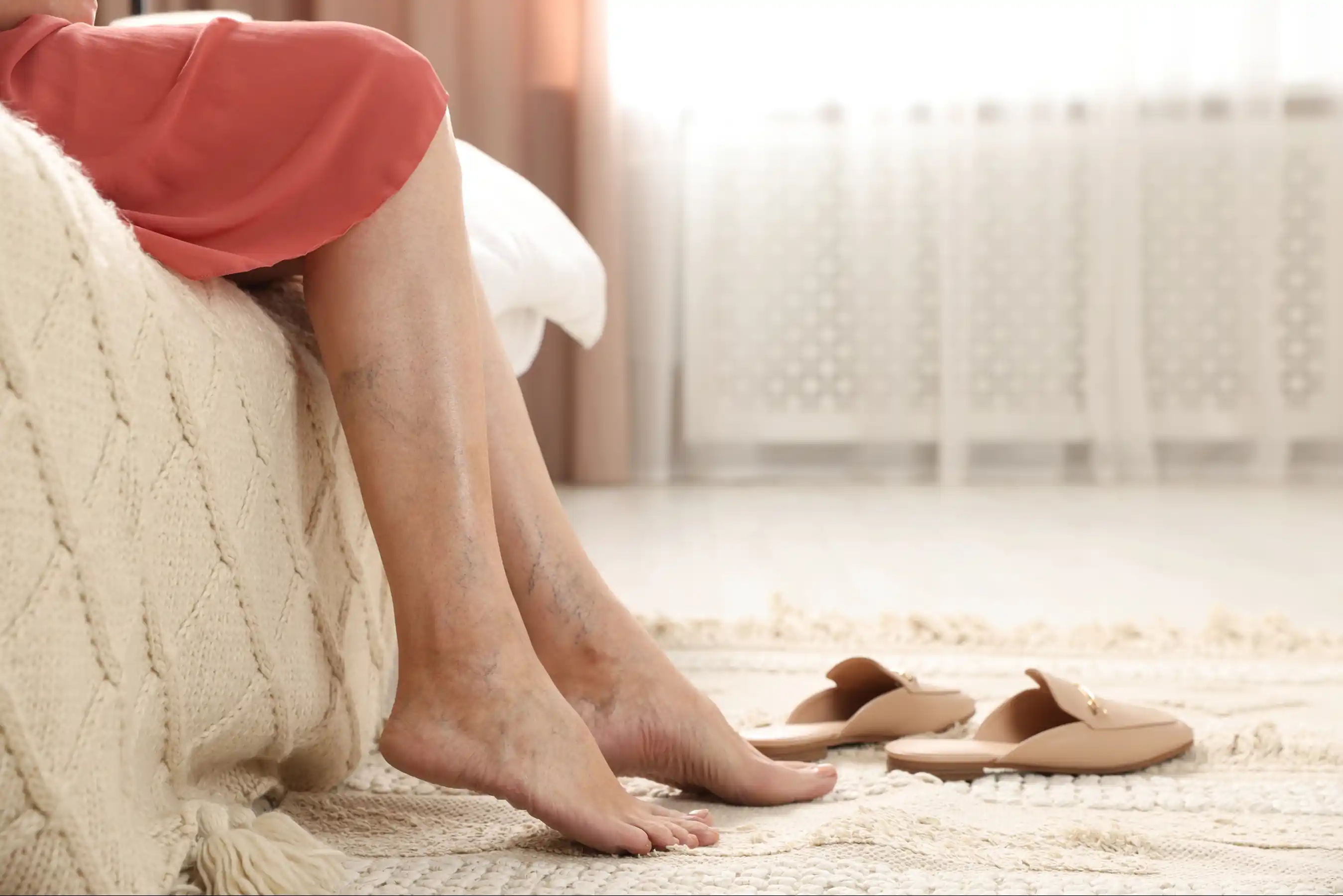
Spider veins are small red, blue, or purple lines near the skin's surface. They are often a cosmetic concern. However, spider veins may surround varicose veins, so new ones are worth mentioning during an evaluation. You can learn more about spider veins and how they differ from larger veins.
Tired, Aching Legs
Aching legs and night cramps are easy to blame on poor sleep or tight muscles. In reality, these symptoms can be related to CVI symptoms. Early CVI symptoms can be as subtle as tight calves or legs that feel heavy and tired after a long day.
Normal Aging or a Treatable Vein Condition?
| What You Notice | How It Is Often Explained Away | What It May Point To |
|---|---|---|
| Heavy, tired legs by evening | 'I am just getting older' or 'I was on my feet all day' | Weakening vein valves and pooling blood |
| Ankle swelling that builds through the day | Heat, a long day, or water retention | Varicose veins or chronic venous insufficiency |
| New spider veins | A cosmetic nuisance | Sometimes a sign of larger vein problems nearby |
| Aching or cramping legs at night | Poor sleep or tight muscles | Vein-related pressure in the legs |
Does It Have to Feel This Way as You Age?
Age raises the odds of vein problems, but it does not make symptoms inevitable. CVI is highly treatable, especially when it is caught early. Treatment cannot reverse damage to vein valves, but it can ease your symptoms and improve your quality of life.
What Does a Vein Evaluation Look Like?
A first visit is more straightforward than many women expect. It typically includes:
- A conversation about your symptoms, family history, and pregnancies.
- An exam of your legs, often while you are sitting and standing.
- An ultrasound when indicated, which is a painless scan that uses sound waves to show how blood moves through your veins.
- A plain-language explanation of what is causing your symptoms and whether treatment makes sense.
Dr. Kathleen Latouf, a board-certified physician and former Chief Medical Officer at Allegheny Health Network Wexford Hospital, founded Vista Veins to bring attentive, high-quality care to vein medicine. Most treatments are quick. For example, Varithena sessions typically take under thirty minutes, and patients can walk right away.
Your Heavy, Swollen Legs Deserve a Real Answer
Heavy legs, swelling, spider veins, and tired legs are common in midlife, but common does not mean normal. A vein evaluation can show whether a treatable condition is behind them.
Vista Veins is a woman-owned practice founded by Dr. Kathleen Latouf, with locations in Wexford, Butler, Monaca, and Erie, PA. Request an appointment for a vein evaluation, and learn more about treating varicose veins and chronic venous insufficiency.
Frequently Asked Questions
What vein problems are most common in women over 40?
Varicose veins, spider veins, and chronic venous insufficiency are the most common. Symptoms include heavy or tired legs, swelling, aching, and visible veins. Age, hormone changes, and pregnancy history can all raise risk.
Are spider veins and heavy legs normal after 50?
They are common, but they are not always harmless. Heavy legs, swelling, and visible veins can signal a treatable vein condition. An evaluation can show whether your symptoms come from your veins or from something else.
Do hormones cause varicose veins?
Hormone changes can contribute. The Cleveland Clinic notes that female hormones can allow vein walls to stretch, especially during pregnancy, while taking estrogen-based birth control, or during menopause. Age and family history also matter.
Where can I find women's vein health care near me?
Vista Veins is a woman-owned practice founded by a female physician, with a focus on women's vein health. New patients are typically seen within weeks at its Wexford, Butler, Monaca, and Erie offices. Call (412) 440-5000 to get started.
