
Key Takeaways
- Chronic venous insufficiency develops gradually as vein valves weaken over time, often producing only mild symptoms at first.
- Early symptoms like tired legs, mild swelling, and aching are easy to attribute to aging, being busy, or simply being on your feet too much.
- Chronic venous insufficiency symptoms are frequently mistaken for normal aging, fluid retention, or skin conditions like eczema, which can delay a proper diagnosis for years.
- Diagnosing chronic venous insufficiency accurately requires a physical exam and ultrasound imaging, since symptoms alone cannot confirm the underlying cause.
- Left unaddressed, chronic venous insufficiency is a progressive condition that can lead to skin changes and ulcers over time. Vista Veins offers physician-led evaluation at its Wexford, Monaca, Butler, and Erie, PA locations, and you can request an appointment to find out what is behind your symptoms.
What Chronic Venous Insufficiency Is and How It Develops
Chronic venous insufficiency (CVI) happens when the one-way valves inside your leg veins weaken and stop closing properly, allowing blood to flow backward and pool in the lower legs v instead of returning efficiently to the heart. CVI is diagnosed using a staging system that runs from 0 to 6 based on visible clinical signs: stage 0 involves no visible signs at all, stage 1 is limited to visible spider veins, stage 2 involves varicose veins, and a diagnosis of CVI itself is not made until stage 3 or higher, when swelling and later skin changes appear. This means a person can have visible varicose veins for years without technically having reached the point of a CVI diagnosis, even as the underlying valve dysfunction continues.
Why Early Symptoms Are So Easy to Write Off
Early signs of CVI can be as subtle as a tight feeling in the calves, cramping, or legs that feel especially heavy or tired after a long day. None of those symptoms sound alarming on their own, and most people have a ready explanation close at hand: a long shift, an intense workout, warm weather, or simply getting older. That is exactly what makes early CVI so easy to overlook. The symptoms fit neatly into everyday explanations long before they are recognized as a circulatory issue.
The Conditions CVI Symptoms Are Most Often Mistaken For
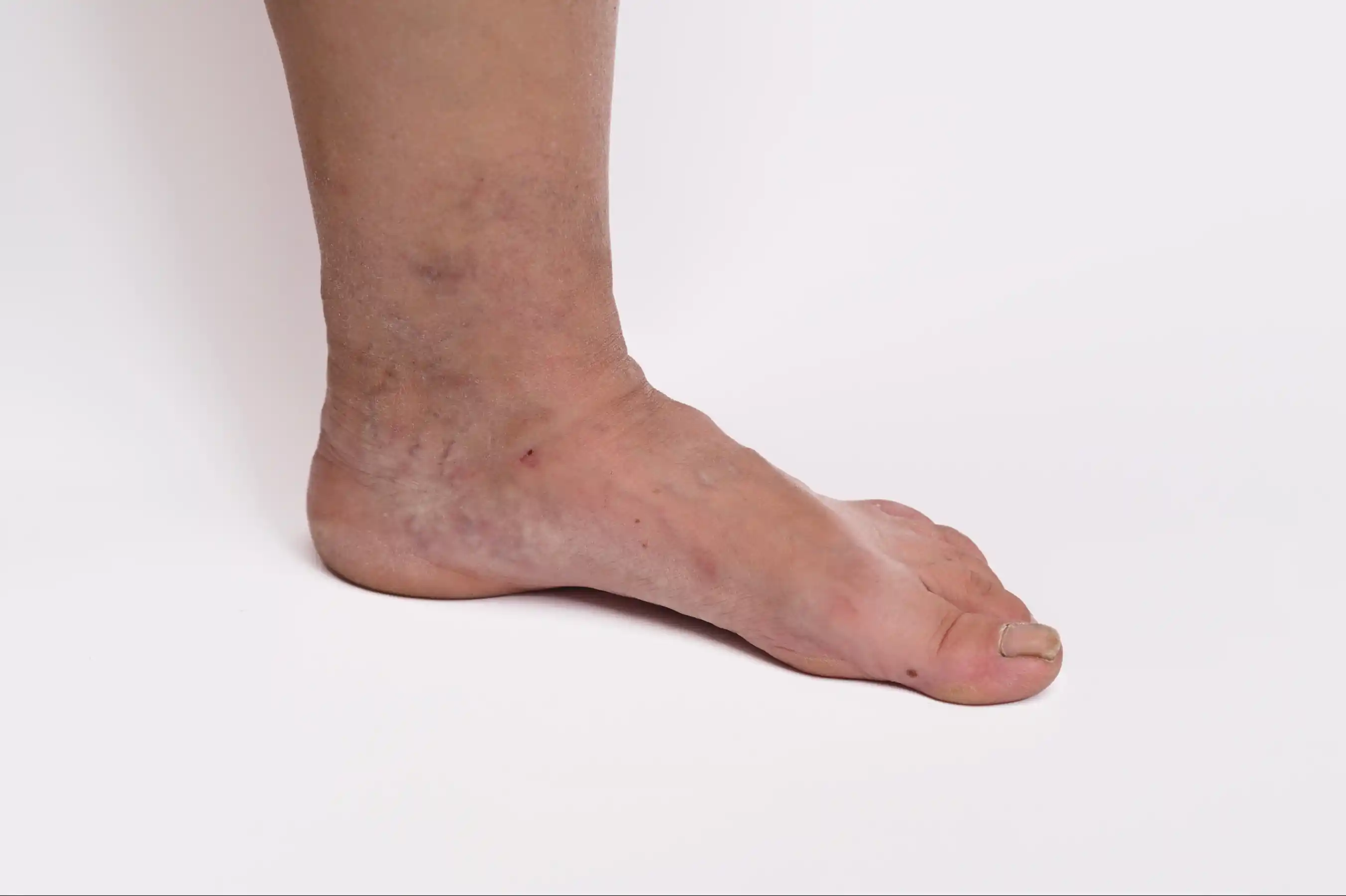
Reporting on chronic venous insufficiency notes that one of the biggest challenges with the condition is that its symptoms are frequently misinterpreted: swollen legs get attributed to aging or fluid retention, skin changes are mistaken for eczema or unrelated irritation, and visible varicose veins are often dismissed as a purely cosmetic issue rather than a sign of an underlying circulatory problem. Each of these explanations is plausible enough on its own to delay a proper evaluation, sometimes for years, while the underlying valve dysfunction continues to progress.
How Chronic Venous Insufficiency Is Properly Diagnosed
Because CVI symptoms overlap so heavily with other explanations, a diagnosis cannot be made on symptoms alone. CVI is diagnosed through a physical exam, where a provider looks for clinical signs like skin discoloration or ulcers, combined with vascular ultrasound imaging that shows which parts of the veins are damaged and where blood is flowing backward. In some cases, additional imaging such as a CT or MRI may be used to rule out other conditions that could be causing similar symptoms. This is also why a physician who orders and reviews ultrasound imaging as a standard part of evaluation, rather than treating symptoms based on a visual exam alone, is more likely to catch CVI accurately.
What Happens When Venous Insufficiency Goes Unaddressed Long-Term
CVI is more common than most people realize. The Society for Vascular Surgery estimates it affects roughly 40 percent of Americans, making it one of the more widespread but underrecognized vascular issues. Left untreated, CVI can progress to the point where tiny blood vessels under sustained pressure begin to burst, causing the skin to take on a reddish-brown discoloration that breaks open easily. These venous stasis ulcers do not heal easily and can become infected, a complication known as cellulitis that requires prompt treatment. Ignoring early CVI signs can allow the condition to worsen, in some cases resulting in irreversible tissue damage.
Recognizing the Difference: Normal Aging vs. Chronic Venous Insufficiency
| What You Notice | Often Mistaken For | May Actually Indicate |
|---|---|---|
| Tired, heavy legs by evening | Normal fatigue from being on your feet | Early-stage venous valve dysfunction |
| Swollen ankles | Normal aging or fluid retention | Blood pooling from impaired venous return |
| Reddish-brown or leathery skin near the ankles | Eczema or unrelated skin irritation | Skin changes from sustained venous pressure |
| A slow-healing sore near the ankle | A minor cut that is healing slowly | A venous stasis ulcer that needs treatment |
Get Clarity Instead of Guessing
Chronic venous insufficiency is common, progressive, and easy to mistake for something else entirely, which is exactly why so many people live with it for years before getting an accurate diagnosis. The only way to tell the difference between ordinary tired legs and a developing circulatory problem is a proper evaluation that includes ultrasound imaging, not a guess based on how the symptoms feel.
At Vista Veins, Dr. Kathleen Latouf evaluates every patient personally, using ultrasound to confirm what is actually driving your symptoms before recommending any treatment. Request an appointment today at the Wexford, Monaca, Butler, or Erie, PA location nearest you.
Frequently Asked Questions
What are the early symptoms of chronic venous insufficiency?
Early symptoms are often subtle and include a tight or achy feeling in the calves, cramping, and legs that feel heavy or tired after a long day. These symptoms often ease with rest at first, which is part of why they are easy to write off as ordinary tiredness rather than an emerging circulatory issue.
Why does chronic venous insufficiency often go undiagnosed for years?
CVI develops gradually, and its early symptoms closely resemble normal aging, fatigue, or minor skin irritation. Swollen legs are often attributed to fluid retention, skin discoloration is mistaken for eczema, and varicose veins are frequently dismissed as purely cosmetic, all of which can delay an accurate diagnosis.
How is chronic venous insufficiency diagnosed?
Chronic venous insufficiency is diagnosed through a physical exam combined with vascular ultrasound imaging, which shows which veins ar e damaged and where blood flow is moving backward. In some cases, additional imaging like an MRI may be used to rule out other causes of similar symptoms.
Where can I get evaluated for venous insufficiency near me?
At Vista Veins, Dr. Kathleen Latouf personally evaluates every patient using a physical exam and ultrasound imaging. You can request an appointment online or call (412) 440-5000 to get started at the Wexford, Monaca, Butler or Erie, PA location nearest you.
