Vein Treatment Options at Our Vein Treatment Clinic
The Vein Conditions Behind Your Symptoms
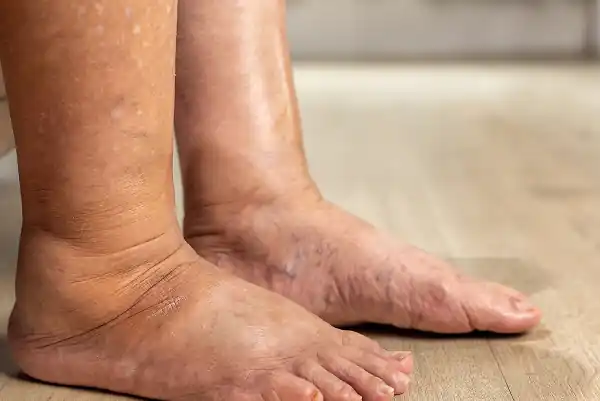
Leg discomfort is easy to write off. Most people who come in with varicose veins, spider veins, or symptoms like aching, swelling, and heaviness have been living with them for months or years, assuming it's a natural result of getting older or spending too much time on their feet. In most cases, there's a specific vein condition behind those symptoms, and most of them respond well to minimally invasive, in-office treatment.
At Vista Veins, Dr. Kathleen Latouf evaluates each patient carefully to identify the root cause of their symptoms before recommending any course of treatment. Whether you're dealing with visible surface veins or deeper circulatory issues affecting your daily comfort, we have options worth knowing about. Request an appointment today to get started.
Varicose Veins
Varicose veins develop when the valves inside the vein stop working properly, causing blood to pool and the vein wall to stretch and bulge beneath the skin. They're most common in the legs and recognizable by their rope-like, twisted appearance. While many patients assume varicose veins surgery is their only option, that's rarely the case.
For most patients, varicose vein removal at Vista Veins is accomplished through minimally invasive procedures, including sclerotherapy , radiofrequency ablation, and Varithena , each chosen based on the size, location, and underlying cause of the affected veins.
Learn More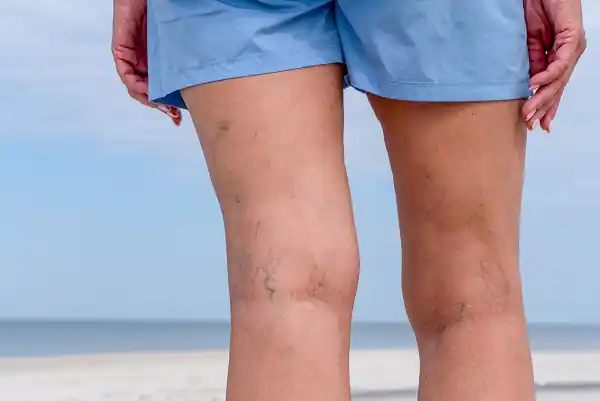
Spider Veins
Spider veins are small clusters of red, blue, or purple veins that appear just beneath the skin's surface, most often on the legs or face. They form when weakened or damaged vein walls allow blood to pool close to the surface, creating the web-like or branching patterns that give them their name. Spider veins are commonly a cosmetic concern, though they can also cause mild burning or itching in the affected area.
Spider veins treatment at Vista Veins is most often performed using vein sclerotherapy treatment, an in-office injection procedure that causes targeted veins to collapse and gradually fade as the body reabsorbs them.
Learn More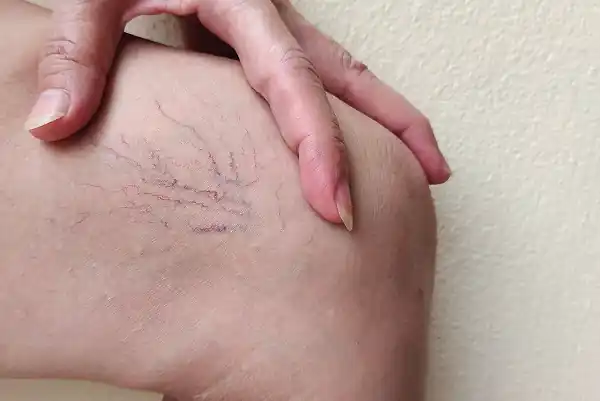
Chronic Venous Insufficiency
Chronic venous insufficiency, or CVI, is one of the most common underlying causes of varicose veins and persistent leg symptoms. It occurs when the valves inside the leg veins become damaged or weakened, preventing blood from moving efficiently back toward the heart. Over time, blood pools in the lower legs, creating the pressure and discomfort that patients often describe as their legs feeling heavy, tired, or sore by the end of the day.
Chronic venous insufficiency treatment at Vista Veins focuses on closing off the damaged vessels to restore proper circulation, using procedures like radiofrequency ablation and Varithena , depending on the severity of the condition.
Learn More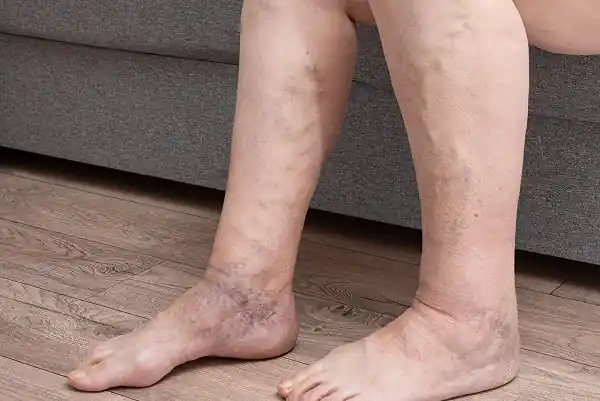
Leg Swelling & Edema
Swelling in the legs, ankles, or feet is a common symptom of venous disease, developing when pooling blood causes fluid to leak into surrounding tissue. Unlike swelling from an acute injury, vein-related swelling follows a recognizable pattern: it builds throughout the day, worsens with heat or prolonged standing, and improves with elevation or compression. It frequently accompanies other conditions like chronic venous insufficiency or varicose veins and tends to progress if the underlying vein issue goes unaddressed.
Treating the root cause is the most effective way to reduce persistent swelling and keep it from worsening over time.
Learn More